
Will Cutting Stone Cause Cracking? What Matters
- Chip Fix
- Jul 18
- 6 min read

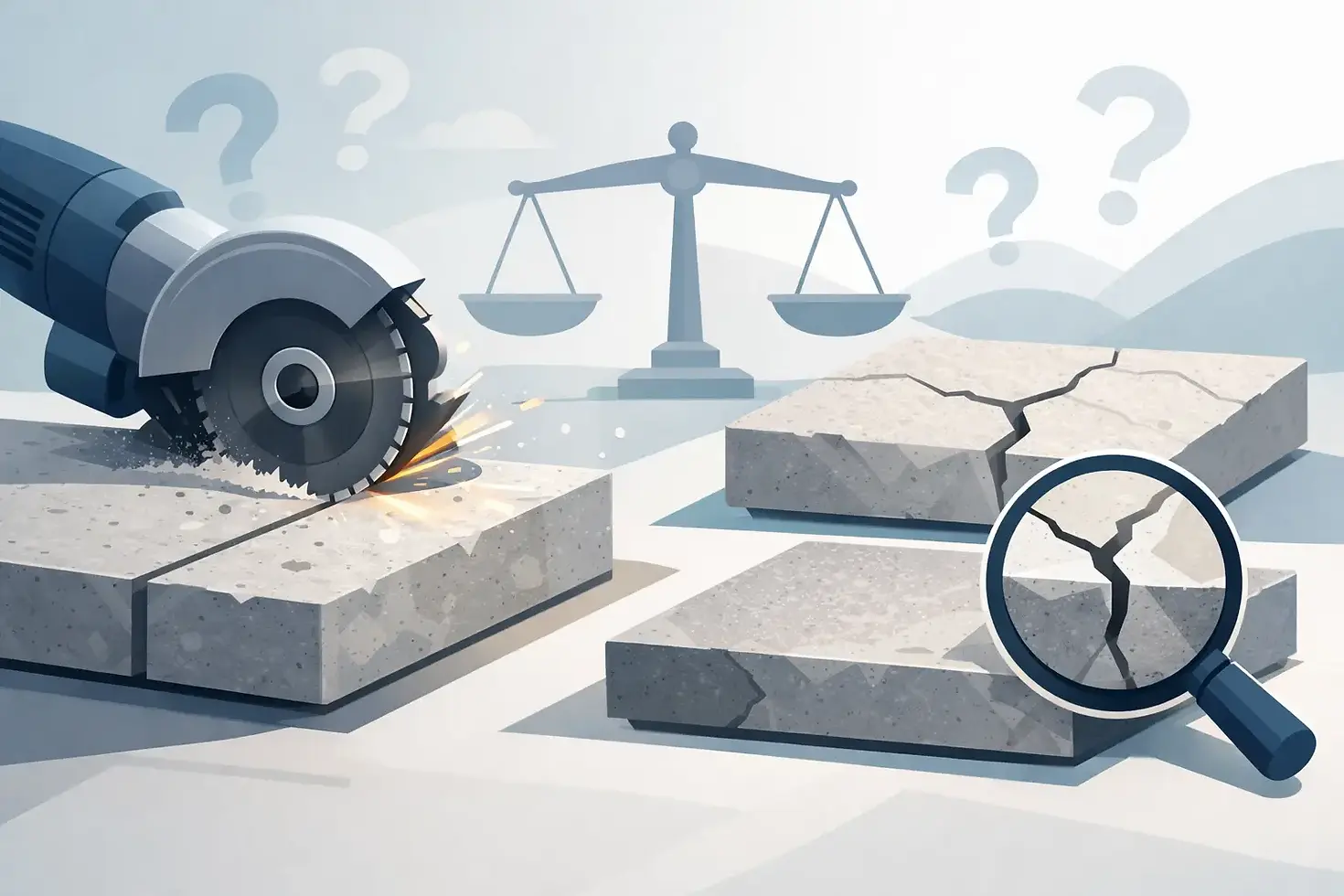
A new cooktop, sink, tap or pop-up power point should not mean gambling with an expensive benchtop. Will cutting stone cause cracking? It can if the slab is cut dry, poorly supported, overheated or measured incorrectly. But with professional wet cutting, the right equipment and careful preparation, most on-site stone modifications can be completed cleanly and safely.
The key is not simply whether stone is cut. It is how the cut is planned, supported and carried out. Stone is hard, but it is not flexible. Once a benchtop is installed, every cut-out changes how the slab carries its own weight. That is why this is specialist work, not a job for a general saw and a quick measurement.
Will Cutting Stone Cause Cracking?
Cutting itself does not automatically crack a stone benchtop. Cracking happens when stress exceeds what the material, its existing condition or its support can handle. Heat from dry cutting, vibration, a blunt blade, pressure at the wrong point and inadequate support are common causes.
Natural stone such as marble and granite can contain veins, fissures and natural variation. Engineered stone is more consistent in appearance, but it can still chip, crack or fracture under stress. Porcelain and sintered stone are particularly hard and often need a controlled approach because they can be unforgiving around corners and narrow sections.
A cut-out for a cooktop or sink is not just a hole in a slab. It creates corners, rails and bridges of stone that must remain strong enough for everyday use. The narrower the remaining stone, the more important the cutting method and support become.
Why Stone Benchtops Crack During Alterations
Most damage is preventable, but every existing benchtop needs to be assessed before work starts. A specialist looks beyond the requested opening and considers the whole installation.
Heat builds quickly with dry cutting
Dry cutting creates high friction and rapid heat build-up at the blade edge. Stone does not dissipate that heat evenly. Localised heat can stress the surface, affect resin in engineered stone and increase the chance of cracking, especially near an existing weak point.
Wet cutting keeps the blade and stone cool while controlling dust at the source. It also helps the blade cut more smoothly instead of grinding and forcing its way through the material. This matters for the finish of the edge as well as the integrity of the slab.
For engineered stone, wet cutting is also essential for managing silica-containing dust. Dry cutting in a finished home can contaminate cabinetry, appliances, floors and adjoining rooms. It is not an acceptable shortcut.
Existing flaws may only become visible once cutting begins
A benchtop may already have a hairline crack, a natural fissure, a weak vein, an unsupported section or damage concealed beneath a cooktop. These issues are not always obvious from above. Removing a section of stone can release stress that the slab has been carrying for years.
This does not mean cutting caused every crack found after an alteration. It means the condition of the existing slab must be taken seriously. A careful inspection before work gives the best indication of risk and allows the cut-out position or method to be adjusted where practical.
Poor support puts the slab under load
Stone needs proper support from the cabinetry below. If cabinets are uneven, a large overhang is unsupported, or the benchtop is bridging a gap, cutting can expose a problem that was already present.
Support is especially important around sink and cooktop cut-outs. The front rail - the strip of stone between the cut-out and the benchtop edge - can be vulnerable if it is too narrow or not supported from underneath. The same applies to narrow stone sections beside a tap hole, power point cut-out or wall return.
Incorrect measurements create unnecessary risk
A cut cannot be put back. A cooktop template, sink specification or appliance dimensions need checking on site before a blade touches the stone. Allowances for the appliance lip, corner radii, clearances and the cabinet structure all matter.
Cutting an opening too large can weaken the benchtop or leave an appliance without adequate support. Cutting it too small leads to further grinding and adjustment, which increases handling time and risk. Accurate marking is part of the safety process, not an optional extra.
How Professional Wet Cutting Protects the Benchtop
A professional stone modification starts with preparation. The work area is assessed, surrounding finishes are protected and the slab is checked for visible cracks, joints, veins and vulnerable sections. The requested cut-out is measured against the actual appliance, not assumed from a rough description.
The cutting process should use water suppression throughout. Water controls airborne dust and reduces heat at the cutting edge. A suitable diamond blade, controlled feed rate and clean corner treatment reduce chipping and avoid loading the stone with unnecessary vibration.
Corners deserve particular attention. Sharp internal corners concentrate stress, which is why cut-outs are normally finished with suitable radiused corners rather than abrupt square corners. The right radius depends on the material, appliance requirements and remaining stone around the opening.
The section being removed also needs to be supported before the final release. Letting a heavy cut-out drop can chip an edge, crack a narrow rail or damage cabinets underneath. Controlled removal protects both the benchtop and the finished kitchen.
StoneCut performs mobile wet cutting for installed benchtops across Sydney and surrounding areas. That means alterations can be completed where the slab is, without removing a heavy benchtop and transporting it to a workshop. Done properly, on-site work avoids unnecessary handling while keeping dust and water managed at the work area.
When the Risk of Cracking Is Higher
Some jobs need extra caution. A good operator will explain the risk rather than promise that every slab can be cut without qualification. Higher-risk situations include old benchtops with unknown installation quality, visible cracks near the proposed cut, heavily veined natural stone, thin stone, large unsupported overhangs and openings that leave very narrow sections behind.
Risk also rises where a new cut-out is close to an existing sink, cooktop, joint, wall edge or previous hole. There may simply be insufficient material left to retain the strength required. In those cases, the best solution may be to relocate the appliance, modify cabinetry, add support or reconsider the scope before proceeding.
A crack can also occur after successful cutting if the underlying issue is not corrected. For example, a slab sitting on uneven cabinetry may continue to move with weight, temperature changes or normal use. A precise cut cannot compensate for a benchtop that is not properly supported.
What Homeowners and Trades Should Do Before Booking
Have the appliance, sink or fitting specifications ready. Photos of the benchtop, the full cabinet run, the proposed work area and the underside where accessible help identify likely challenges before attending site. Include close-ups of any existing chips, cracks, joins or veins.
Do not remove the old appliance and assume the opening will suit the replacement. New cooktops and sinks often have different cut-out sizes even when the external dimensions look similar. Confirm the manufacturer’s required cut-out dimensions and clearances first.
If cabinetry, plumbing or electrical work is involved, coordinate the sequence. The benchtop should be stable and supported before cutting. Plumbers and electricians can then complete their connections once the new opening, hole or access point is accurately formed. This avoids rushed changes to a finished surface.
Avoid anyone proposing dry cutting inside a home or treating the job as a basic demolition task. The dust risk is serious, and an incorrect cut can turn a straightforward kitchen upgrade into a replacement-benchtop expense.
A Safe Cut Starts Before the Blade Runs
The safest approach is to assess the slab, confirm the measurements, protect the surrounding area and use controlled wet cutting from start to finish. There is no honest way to say every stone benchtop carries zero risk, particularly where age, damage or weak support are involved. There is, however, a clear difference between a managed specialist process and a rushed cut.
If you need a sink, cooktop, tap, power point or Zip tap opening altered in an existing stone benchtop, send clear photos and the required dimensions before work is booked. A proper assessment gives your kitchen upgrade the best chance of being completed accurately, cleanly and without an avoidable crack.


Comments